How to Tell If a Tree Is Dangerous in Willmar, MN (5 Warning Signs)
Is a Tree on Your Willmar Property Dangerous? 5 Warning Signs Every Homeowner Should Know

Trees help make Willmar feel like home, but an unstable or sick tree can be dangerous. This guide lists five warning signs — trunk and root problems, disease or pests — and explains when to call a professional.
Spotting Dangerous Trees: What to Watch For in Willmar
Keep an eye on your trees to prevent accidents. Watch for these indicators of an unsafe tree:
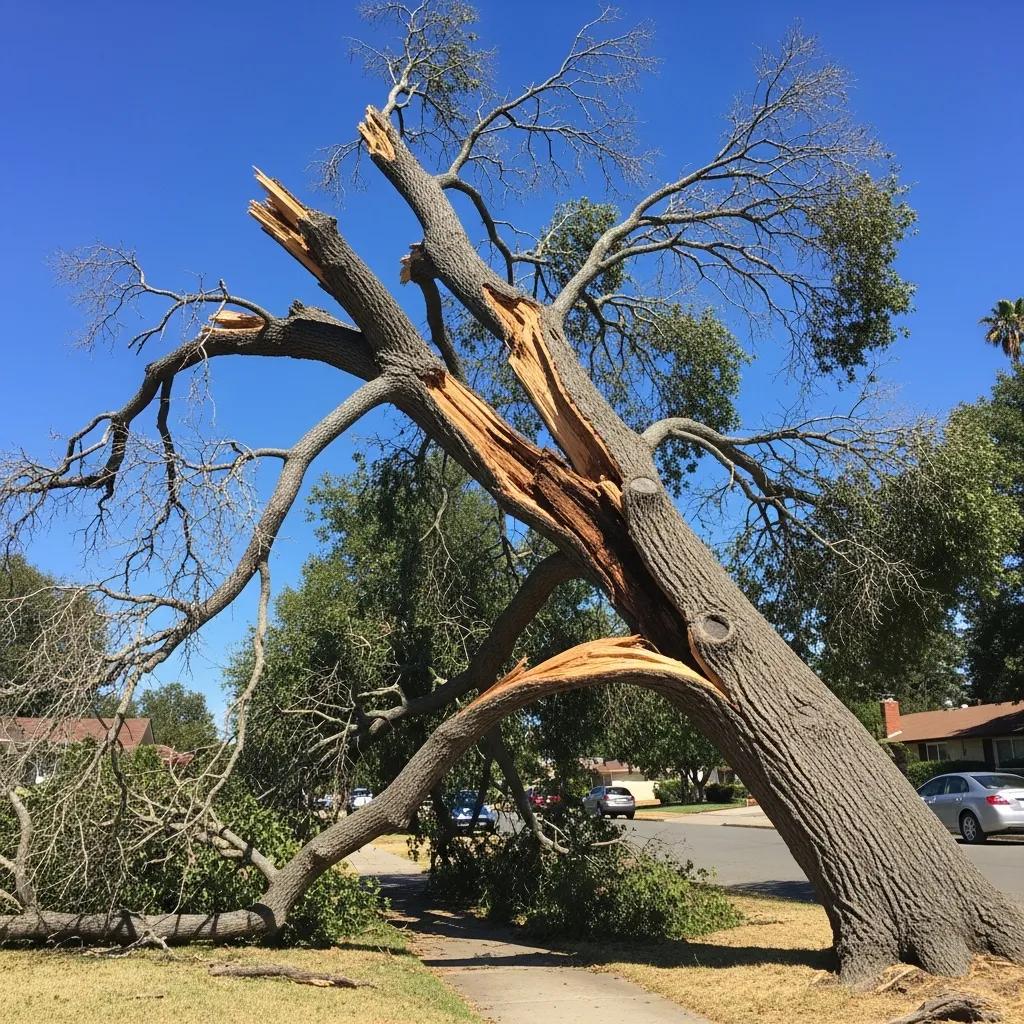
- Noticeable Lean: A new or sudden lean usually signals root failure or loss of stability.
- Dead or Dying Branches: Leafless, brittle, or broken limbs can fall and should be removed.
- Cracks or Cavities in the Trunk: Large splits, hollows, or wounds weaken the tree’s structure.
- Root Damage: Exposed roots, soil heaving, or a tilted trunk can mean the tree may uproot.
- Tree Diseases and Pests: Insects or infections that cause dieback or decay increase failure risk.
If you spot any signs, consult a qualified tree-care professional.
How a Noticeable Lean Signals Instability
A sudden or growing lean often means root rot, soil loss, or storm damage. After heavy rain or wind, have leaning trees inspected promptly.
Why Dead or Dying Branches Are Dangerous
Dead branches break unexpectedly and can injure people or damage property. They also signal broader health issues that merit a professional check.
How to Identify Cracks, Cavities, and Trunk Decay

Trunk damage—deep splits, hollows, or soft wood—reduces core strength and increases collapse risk.
Which Trunk Problems Point to Structural Weakness?
Vertical splits or wide cracks often indicate internal decay. Any large opening or deep fissure should be evaluated.
What Fungal Growth Tells You About Internal Decay
Fungi—mushrooms, conks, or shelf fungi—are strong signs of internal rot and weakened structure; have them checked.
Warning Signs at the Tree Base: Root Damage and Fungal Growth

Root problems often show at ground level. Injured or decayed roots compromise stability.
How Mushrooms and Soil Heaving Signal Root Trouble
Mushrooms or shelf fungi near the base usually mean decay. Soil heaving or exposed roots signal root damage and possible uprooting.
Local Willmar Factors That Affect Root Stability
Local soils and weather affect roots. Heavy rains can wash support away; drought weakens roots. Inspect trees after storms and seasonal extremes.
How to Spot Tree Diseases and Pest Infestations in Willmar
Early detection improves chances to treat or remove a hazardous tree safely. Know local pests and disease signs.
Common Problems: Oak Wilt and Emerald Ash Borer
Oak wilt and emerald ash borer are regional threats: oak wilt can cause rapid dieback; emerald ash borer can kill ash trees within a few years.
Leaf Discoloration and Other Early Symptoms
Yellowing, spotting, or early leaf drop are early stress or pest indicators. Regular checks help catch problems while treatment is possible.
| Warning Sign | What to Look For | Why It Matters |
|---|---|---|
| Noticeable Lean | Tree tilting or a new lean | Often indicates root or stability failure |
| Dead or Dying Branches | Leafless, brittle, or broken limbs | Branches can fall and cause damage or injury |
| Cracks or Cavities | Large splits, hollow areas, or wounds | Reduces trunk strength and increases collapse risk |
| Root Damage | Exposed roots, soil movement, or a tilted trunk | Raises the chance the tree will uproot |
| Tree Diseases | Fungi, pests, or rapid decline | Weakened health and greater failure risk |
This summary highlights key warning signs. If you notice one or more, act to protect people and property.
If a tree seems unsafe, get an expert opinion. Lakeland Tree Service LLC in Willmar offers removal, trimming, and health assessments. Our team provides safe, practical solutions. For a consultation, call 320-212-0629.
Frequently Asked Questions
What should I do if I suspect a tree is dangerous?
Look for a new lean, large broken limbs, trunk cracks, or fungus at the base. If you see these signs, contact a professional to inspect and recommend pruning, treatment, or removal.
How often should I inspect my trees for safety?
Inspect trees at least once a year—spring or fall—and after storms. Regular checks make structural and health issues easier to spot. Consider our tree services for professional assistance.
Can tree diseases be treated, or is removal always necessary?
Many diseases can be treated when caught early with pruning and care. But heavily decayed or clearly dangerous trees are best removed. A pro will advise.
What are typical costs for tree removal in Willmar?
Costs vary by size, location, and difficulty. Expect a wide range; trees near structures or power lines usually cost more. Get multiple quotes.
How can I prevent tree diseases and pests?
Prevent with regular inspections, proper watering, correct fertilization, and timely pruning. Avoid root and trunk damage and follow local pest alerts.
What local resources can help with tree care in Willmar?
Local tree-care companies like Lakeland Tree Service LLC and the University of Minnesota Extension offer resources and hands-on help.
Conclusion
Regular inspections keep neighbors and property safe. If you spot leaning, dead limbs, trunk cracks, root issues, or disease, seek a professional assessment. Lakeland Tree Service LLC can inspect and safely remove or treat trees.

